
From November 1-13 OneReef Worldwide Stewardship partnered with Dr. Greg Asner and the Global Airborne Observatory (GAO) of Arizona State University to map the coral reefs of Palau and Yap, in partnership with OneReef and our Pacific Island partners!
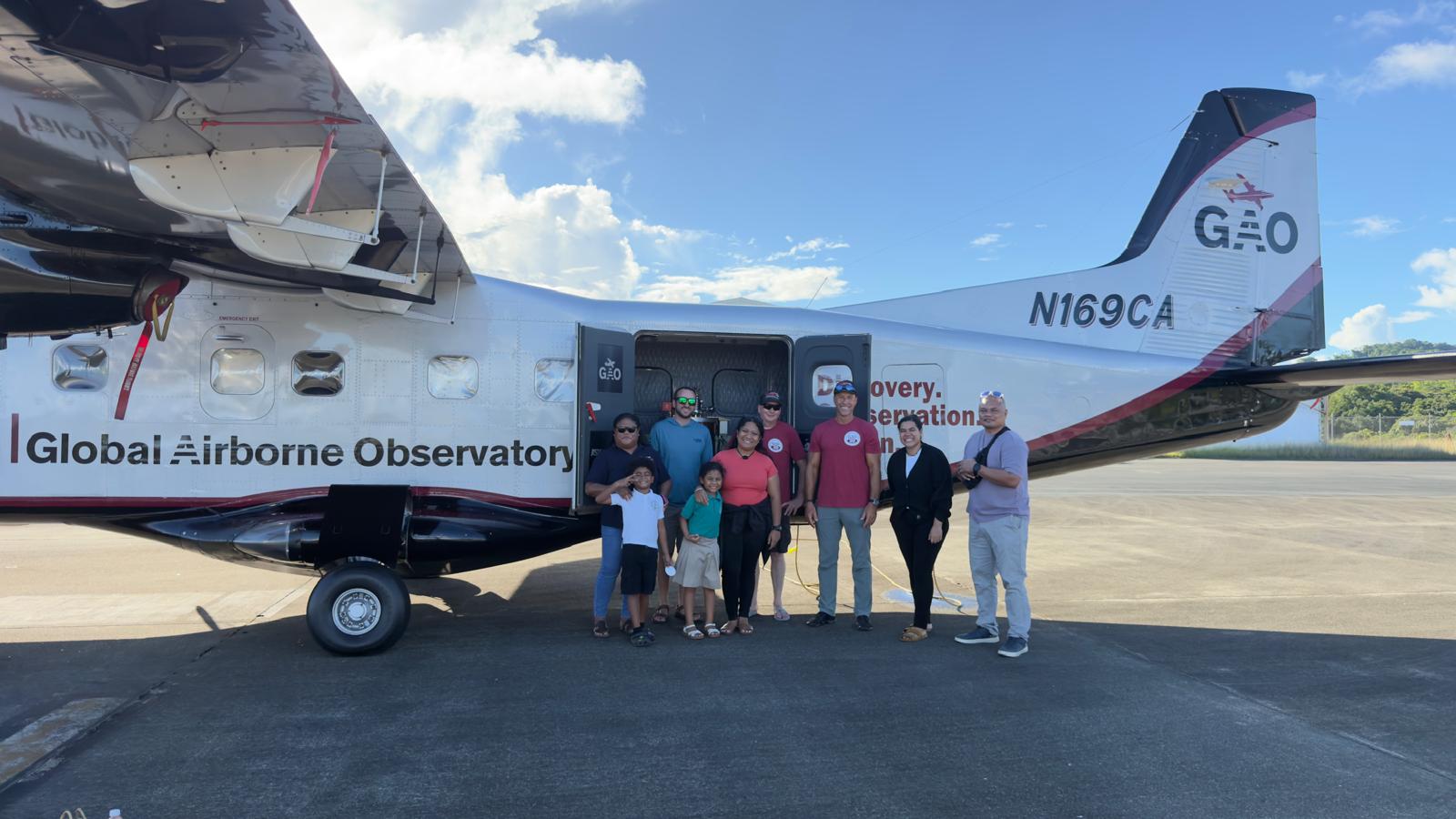
Imagine being able to fly over an entire coral reef system and create a detailed picture of its health, identifying where corals are thriving, where re
efs are under stress, and where the most resilient reefs may offer hope for the future.
Using cutting-edge hyperspectral imaging, LiDAR, and artificial intelligence, GAO can map coral reefs at extraordinary resolution, revealing patterns of coral cover, reef structure, and habitat conditions that are difficult to see through traditional surveys alone.
One of the most exciting possibilities is identifying coral reef refugia: places where reefs may be better able to withstand warming oceans and other environmental pressures. Finding these potential strongholds can help communities and governments prioritize which reefs to protect, monitor, and restore.
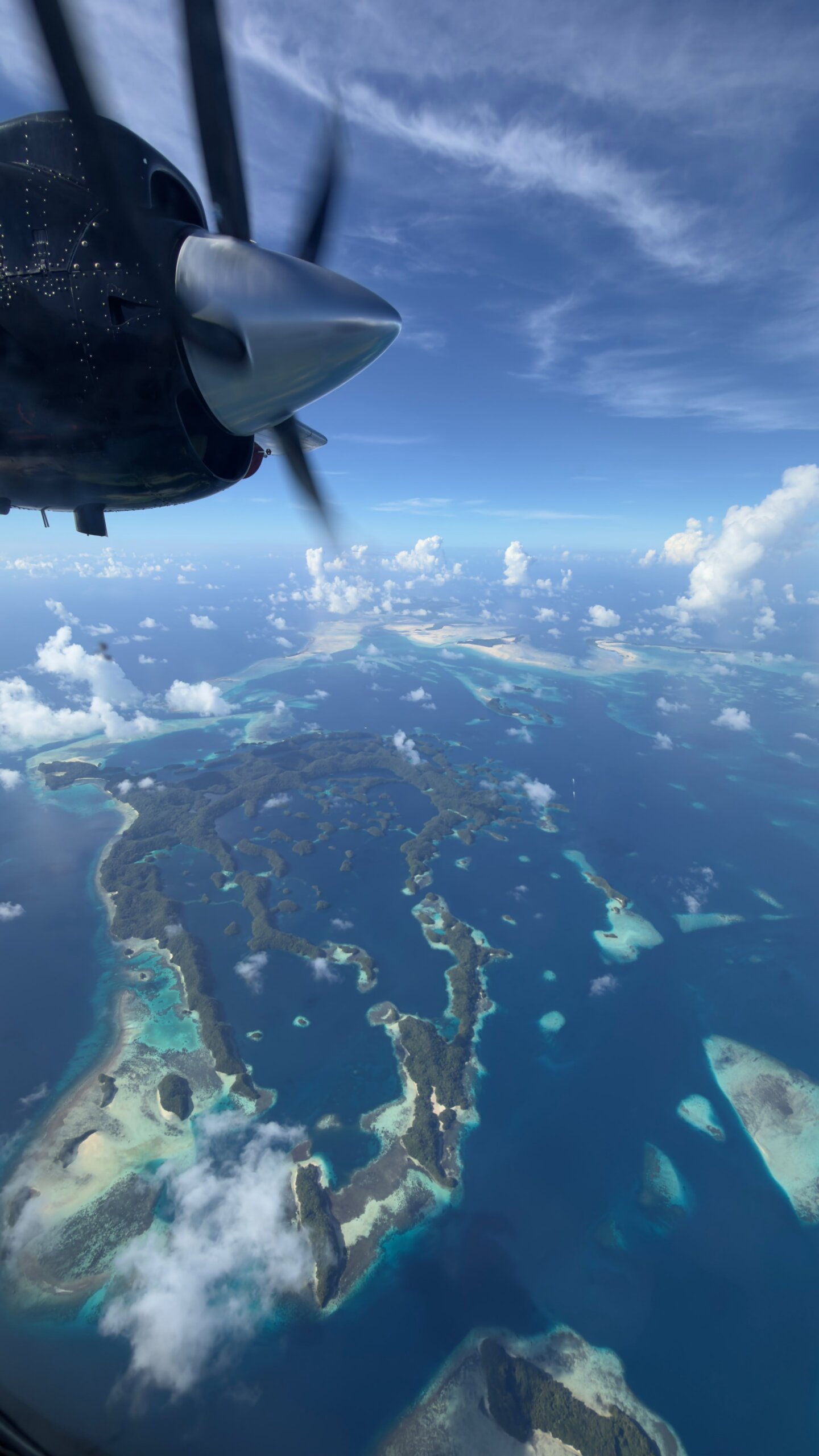
And the longer-term vision is even more ambitious: using these airborne observations to help train satellite-based monitoring systems, potentially allowing us to track coral reef health across vast ocean regions at a fraction of today’s cost.
This is where OneReef comes in.
Technology alone doesn’t protect reefs. People do.
OneReef connects this frontier science with Pacific Island governments, scientists, and Indigenous communities, helping turn extraordinary new information into practical decisions about marine protection, fisheries management, restoration, and climate resil
ience. While in Palau and Yap, our OneReef Micronesia team worked hard to connect the GAO team with local government and traditional leaders, getting their blessings but also brokering and strengthening critical relationships with the communities that are at the forefront of reef conservation and protection on the ground. This is key to securing sustainable outcomes.
Together, we’re building a future where Pacific communities can see the health of their reefs, identify their most resilient ecosystems, and have the tools and capacity to protect them for generations to come.
We are so grateful for this partnership with GAO starting with Palau and Yap, with plans to expand across Micronesia and the broader Pacific, this is just the beginning!
To learn more about the Global Airborne Observatory and the Center for Global Discovery and Conservation Science: https://globalairborne.org